The Art of Handmade Paper: A 3-Day Journey
2024-12-28 · Tameka Riley
Why Handmade Paper Matters
In a world of mass-produced everything, handmade paper is an act of defiance. It says: some things are worth the time. Some things are worth doing slowly, by hand, with care.
Every Roots & Reflections journal begins with handmade cotton paper. It takes three days to make. Here's how.
Day One: Preparing the Fiber
The process begins with raw cotton fiber, sorted and cleaned by hand. The cotton is soaked in water for several hours to soften the fibers and prepare them for beating.
Once softened, the cotton is added to a vat with water and beaten until the fibers separate and align. This creates a pulp — a suspension of tiny fibers in water that looks like cloudy milk.
The consistency of the pulp determines the thickness and texture of the final paper. Too thick, and the paper will be stiff and difficult to write on. Too thin, and it won't hold together. Getting it right is an art that takes years to master.
Day Two: Forming the Sheets
On the second day, the papermaker dips a mould — a wooden frame with a fine mesh screen — into the vat of pulp. With a practiced motion, they lift the mould straight up, allowing the water to drain away while the fibers settle on the screen.
The resulting sheet is called a couche (pronounced koosh). It's delicate — barely held together by the interlocking of fibers. The papermaker transfers each couche onto a felt blanket, stacking sheet after sheet in a process called couching.
Once enough sheets are stacked, the entire pile is pressed to remove excess water. The pressure also compresses the fibers together, beginning the process of bonding that will give the paper its strength.
Day Three: Drying and Finishing
The pressed sheets are carefully separated and hung to dry. Depending on humidity and temperature, drying can take anywhere from 12 to 24 hours.
Once dry, each sheet is inspected for quality. Sheets with imperfections are set aside. The best sheets are pressed again to create a smooth surface, then cut to size.
The result is paper that is:
- Acid-free and archival — it won't yellow or deteriorate for centuries
- Soft yet durable — a pleasure to write on, strong enough to last
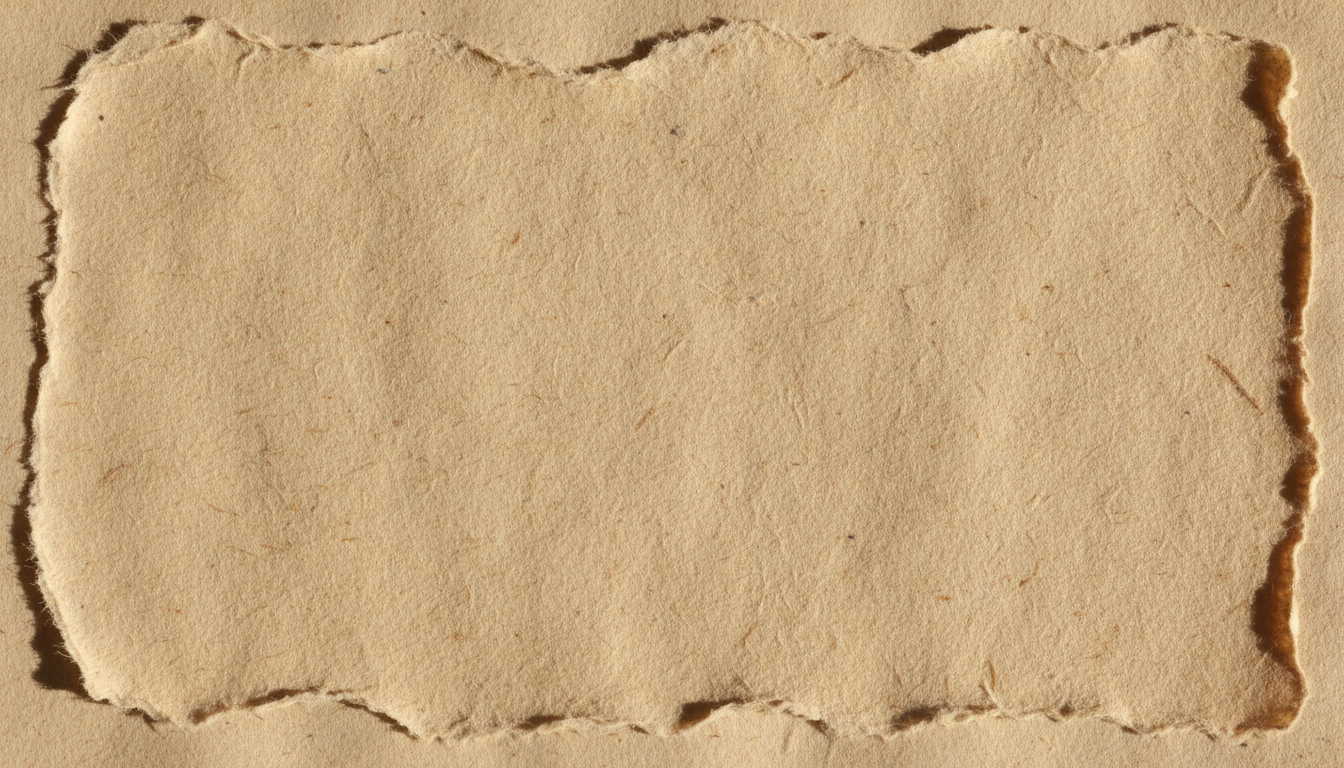
- Distinctive — each sheet has a subtle texture and deckled edge that announces it was made by hand
The Difference You Can Feel
When you write on handmade cotton paper, you feel the difference immediately. The pen glides. The ink settles into the fibers rather than sitting on top. The page has weight, presence, and character.
This is the surface that will hold your family's stories for generations. It's worth every minute of those three days.
Every Roots & Reflections journal is made with this same three-day handmade paper process. Explore the collection and feel the difference.